
Budgie food guide
What can budgies eat?
Budgies (budgerigars, often called parakeets in the US) need far more than seed. Below, 68 common foods are rated for budgies, with portions sized for a very small bird.
- 13Yes
- 36Small amounts
- 10Better not
- 9Never
Never feed your budgie


Diet basics
- Make pellets the main food. Veterinary guidance suggests pellets should be roughly 60–80% of a budgie’s diet.
- Keep seed to a small part of the diet, never the whole of it. Seeds lack key vitamins, minerals and protein; the RSPCA suggests seed should be no more than about a tenth of the diet for small parrots.
- Offer fresh vegetables, greens and some fruit every day, making up about a fifth to a quarter of the diet at most.
- Fresh, clean water must be available at all times.
- Human food should be plain and tiny: a thumbnail-sized amount for a budgie is like a dinner plate for a person.
- When switching a seed-eater to pellets, offer the pellets on their own, not mixed with seed, first thing in the morning when your budgie is hungriest.
- Feeding Budgies — VCA Animal Hospitals
- What to Feed Your Pet Bird — RSPCA
Fruit
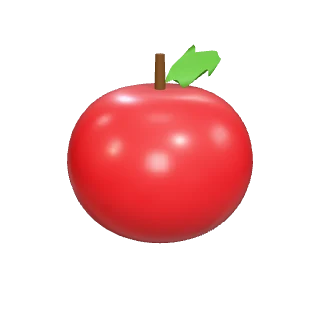 AppleOne or two pieces about 1 cm (⅜ in) across, roughly a thumbnail-sized amount · 2–3 times a weekSmall amounts
 BananaA thin slice about 5 mm (¼ in) thick, cut into quarters · Once or twice a weekSmall amounts
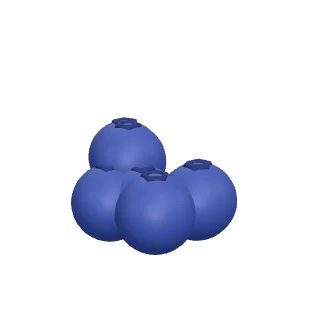 BlueberryOne or two blueberries, halved or quartered · 2–3 times a weekSmall amounts
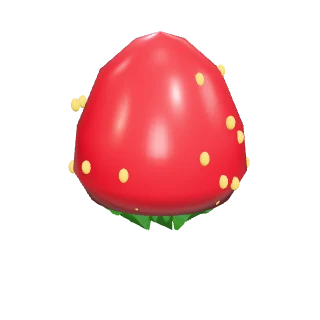 StrawberryA piece about 1 cm (⅜ in) across, roughly a quarter of a small strawberry · 2–3 times a weekSmall amounts
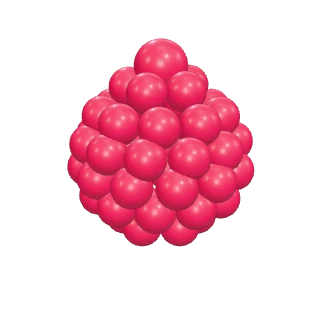 RaspberryHalf of one raspberry · 2–3 times a weekSmall amounts
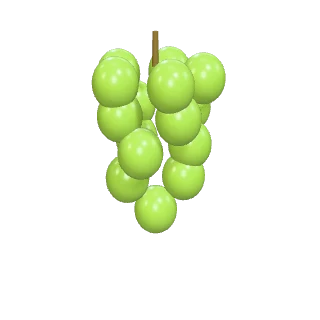 GrapeA quarter of a seedless grape · Once or twice a weekSmall amounts
 RaisinNot recommended; offer a small piece of fresh fruit insteadBetter not
 WatermelonA cube about 1 cm (⅜ in) across · Once or twice a weekSmall amounts
 Cantaloupe (melon)A cube about 1 cm (⅜ in) across · 2–3 times a weekSmall amounts
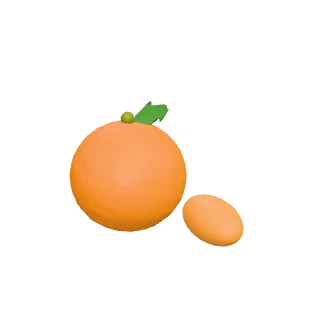 Orange (citrus)A piece of one segment about 1 cm (⅜ in) long · Once or twice a weekSmall amounts
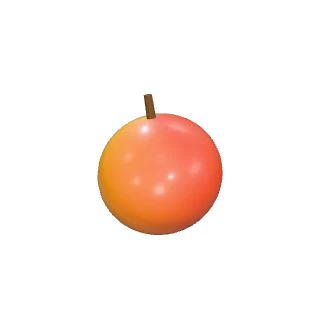 MangoOne or two pieces about 1 cm (⅜ in) across · Once or twice a weekSmall amounts
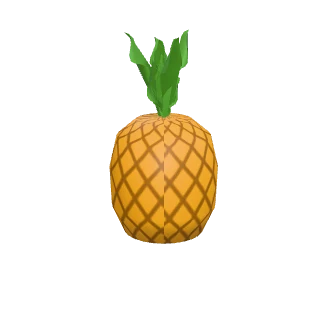 PineappleOne or two pieces about 1 cm (⅜ in) across · Once or twice a weekSmall amounts
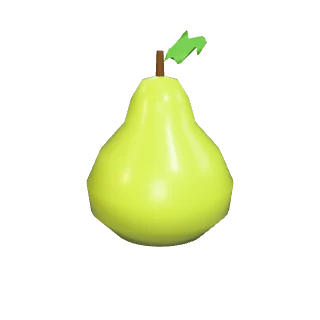 PearOne or two pieces about 1 cm (⅜ in) across · 2–3 times a weekSmall amounts
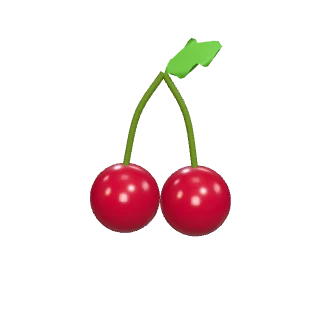 CherryA quarter of a pitted cherry · Once or twice a weekSmall amounts
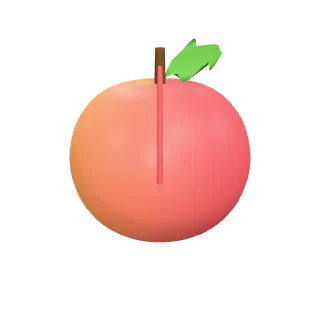 PeachOne or two pieces about 1 cm (⅜ in) across · Once or twice a weekSmall amounts
 KiwiOne or two pieces about 1 cm (⅜ in) across · Once or twice a weekSmall amounts
 AvocadoNever
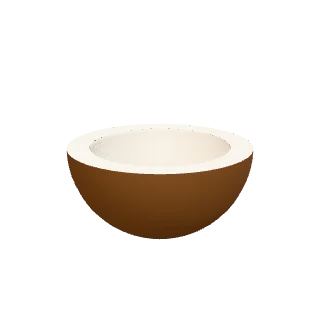 CoconutA sliver about 5 mm (¼ in) across · Once a week at mostSmall amounts
Vegetables
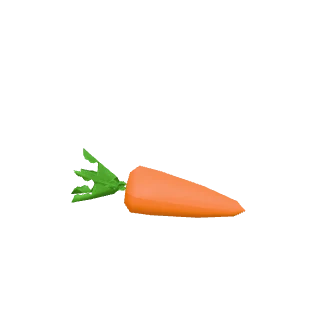 CarrotAbout a teaspoon (5 ml) of grated or finely diced carrot as part of the day's vegetables · Daily or most days, rotated with other vegetablesYes
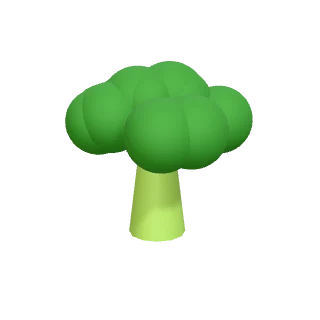 BroccoliA few small florets or leaves, about a teaspoon (5 ml) chopped, as part of the day's vegetables · 2–4 times a week, rotated with vegetables outside the cabbage familyYes
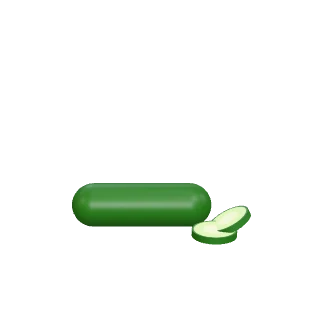 CucumberA thin slice about 5 mm (¼ in) thick, or a few small cubes · A few times a weekYes
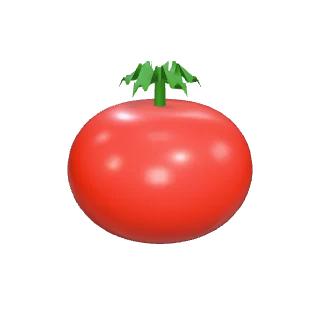 TomatoA piece of ripe tomato about 1 cm (⅜ in) across · Once or twice a week at mostSmall amounts
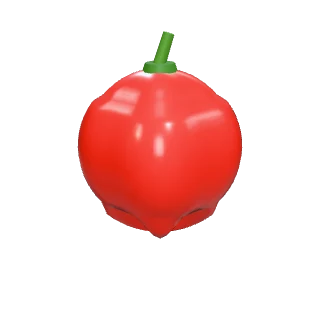 Bell pepperA few small strips or cubes, about a teaspoon (5 ml), as part of the day's vegetables · Daily or most days, rotated with other vegetablesYes
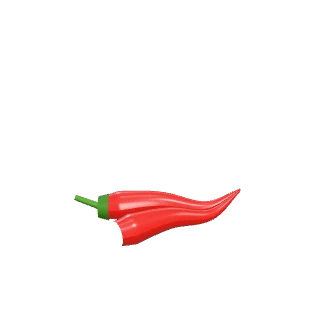 Chili pepperA thin ring or small piece about 5 mm (¼ in) across · Once or twice a weekSmall amounts
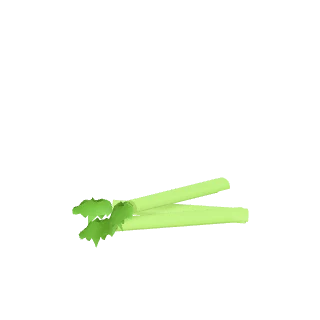 CeleryA few pieces of stalk about 5 mm (¼ in) long, or a few chopped leaves · Once or twice a weekSmall amounts
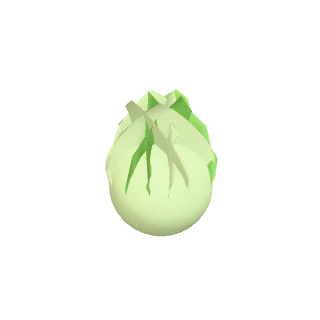 CabbageA piece of leaf about 2 cm (¾ in) square, finely shredded · Once or twice a week, not on the same days as other cabbage-family vegetablesSmall amounts
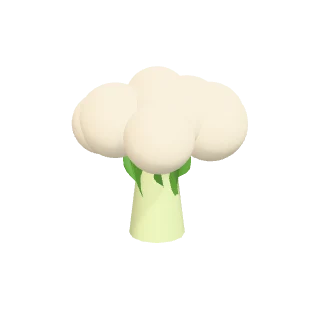 CauliflowerOne or two tiny florets, chopped · Once or twice a week, not on the same days as other cabbage-family vegetablesSmall amounts
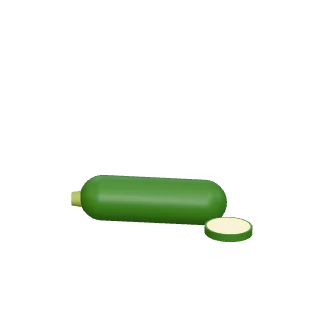 Zucchini (courgette)About a teaspoon (5 ml) grated or in small cubes, as part of the day's vegetables · Daily or most days, rotated with other vegetablesYes
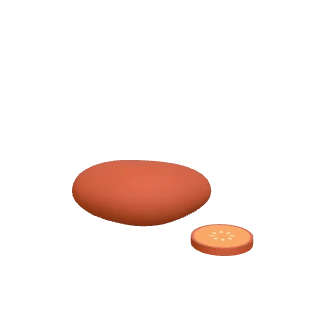 Sweet potatoAbout a teaspoon (5 ml) of mashed or finely diced cooked sweet potato · 2–3 times a week, rotated with other vegetablesYes
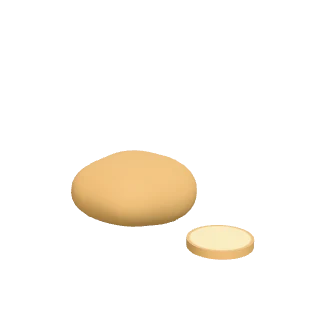 PotatoA piece of plain cooked potato about 1 cm (⅜ in) across · Once a week at mostSmall amounts
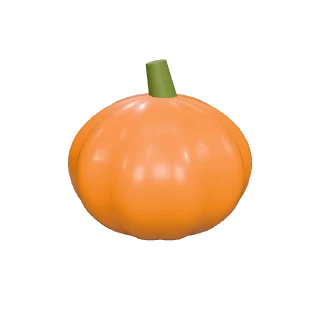 Pumpkin (flesh)About a teaspoon (5 ml) of grated raw or mashed cooked pumpkin · A few times a week, rotated with other vegetablesYes
 PeasThree to five peas, or a short piece of pod · A few times a weekYes
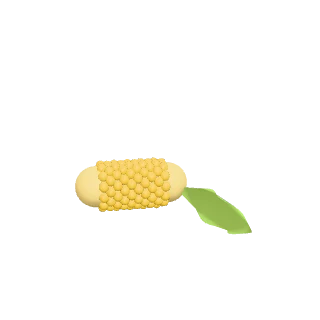 Corn (sweetcorn)Three to five kernels, or a thin round of cob about 1 cm (⅜ in) thick to pick at, taken away after a short while · Once or twice a weekSmall amounts
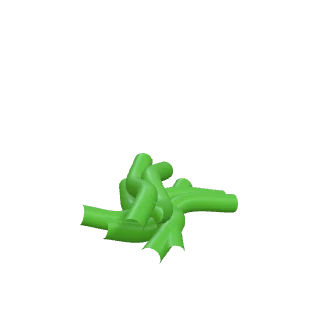 Green beansOne or two beans, cut into pieces about 5 mm (¼ in) long · A few times a weekYes
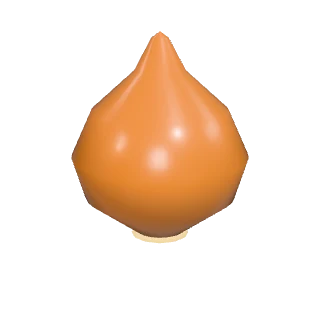 OnionNever
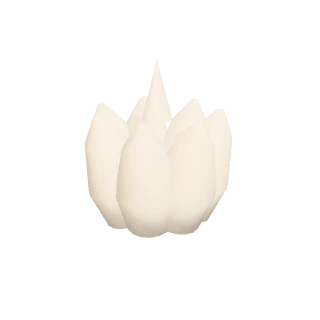 GarlicNever
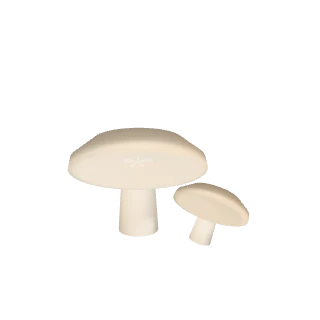 MushroomBetter not
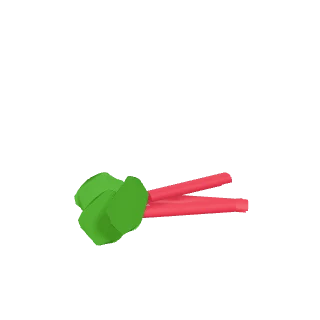 RhubarbNever
Greens & herbs
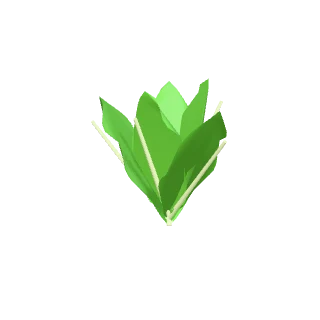 Romaine lettuceA leaf piece about 5 cm (2 in) square, or 1–2 teaspoons finely chopped, as part of the day's fresh food · Daily or most days, rotated with other greens and vegetablesYes
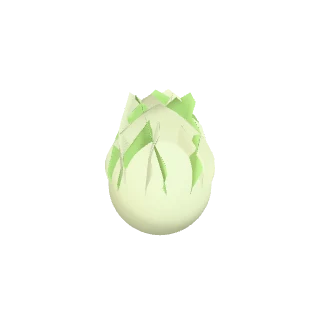 Iceberg lettuceNot recommended. If you offer any, keep it to a torn piece about 2 cm (3/4 in) across · Rarely, if at allBetter not
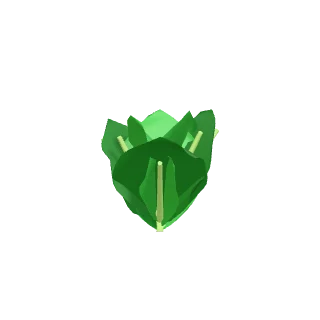 SpinachOne or two baby spinach leaves, or about 1 teaspoon chopped · Once or twice a week, rotated with other greensSmall amounts
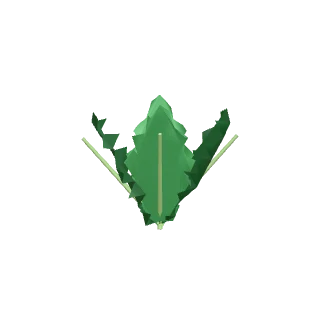 KaleA leaf piece about 5 cm (2 in) square, or 1–2 teaspoons finely chopped · 2–4 times a week, rotated with vegetables outside the cabbage familyYes
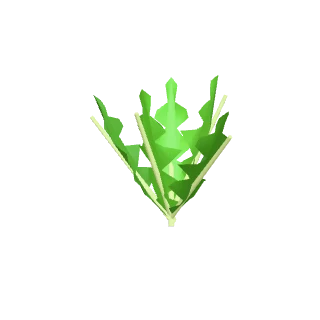 Dandelion greensOne or two small leaves, or about 1–2 teaspoons chopped · Several times a weekYes
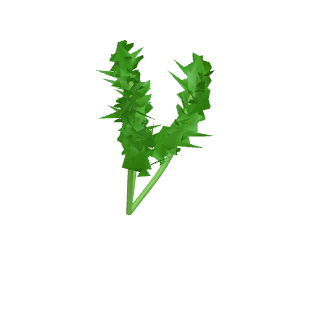 ParsleyOne small sprig (a few leaves) · Two or three times a week, mixed with other greensSmall amounts
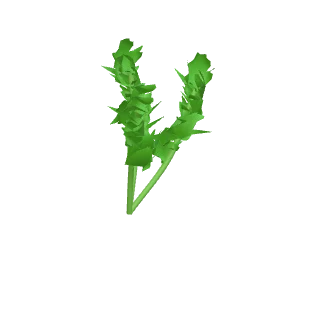 Cilantro (coriander leaf)A small sprig, or about 1 teaspoon chopped · Several times a week, as part of mixed greensYes
Grains, seeds & nuts
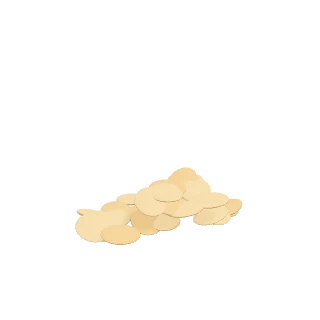 OatsAbout 1/2 teaspoon of plain rolled oats or cooked plain oatmeal · Once or twice a weekSmall amounts
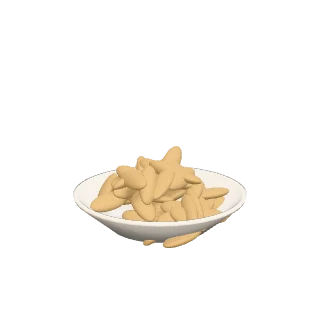 Rice (cooked, plain)About 1/2 teaspoon of cooked rice (a thumbnail-sized amount) · Once or twice a weekSmall amounts
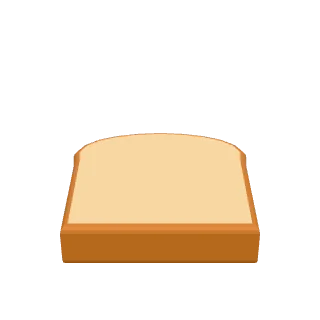 BreadA crumb about 1 cm (⅜ in) square of plain wholegrain bread or toast · Once a week or lessSmall amounts
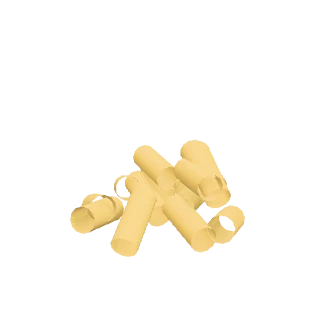 Pasta (cooked, plain)One or two pieces of a small pasta shape, or about 1/2 teaspoon · Once or twice a weekSmall amounts
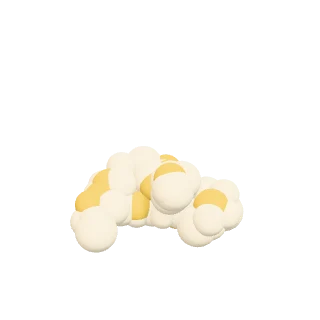 PopcornNot recommended. If offered at all, one plain, fully popped piece with no salt, butter or oil · Rarely, if at allBetter not
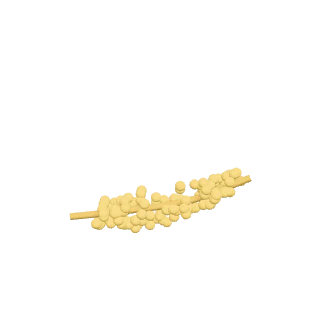 MilletAbout 2–3 cm (1 in) of spray millet, or a small pinch (about 1/4 teaspoon) of loose millet · Spray millet only occasionally (one veterinary guide suggests once or twice a month for pellet-fed budgies); loose millet can be part of a small daily seed portion of no more than about a tenth of the dietSmall amounts
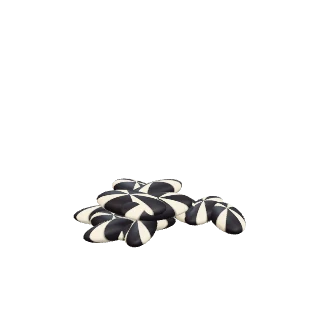 Sunflower seedsOne or two hulled kernels, or one seed in its shell · Once or twice a week, ideally as a training rewardSmall amounts
 Pumpkin seedsOne seed, broken into small pieces · Once a weekSmall amounts
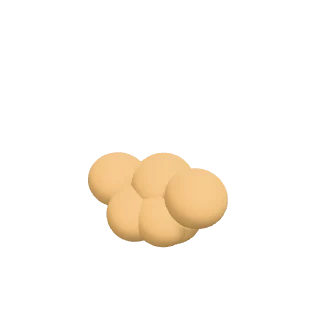 PeanutsNot recommended. If given at all, a crumb of fresh, plain, human-grade peanut · Rarely, if at allBetter not
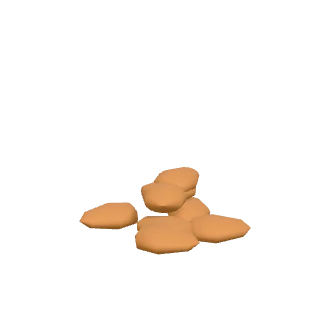 AlmondsNot needed. At most a sliver about the size of a grain of rice · RarelyBetter not
 WalnutsNot needed. At most a crumb about the size of a grain of rice · RarelyBetter not
 CashewsNot needed. At most a crumb about the size of a grain of rice of plain, unsalted cashew · RarelyBetter not
Protein & dairy
 Egg (hard-boiled)About 1/2 teaspoon of chopped hard-boiled egg (a thumbnail-sized amount) · Once or twice a week; your avian vet may suggest more for breeding or moulting birdsSmall amounts
 Chicken (cooked, plain)One or two small shreds, together about the size of a pea · Once a week at mostSmall amounts
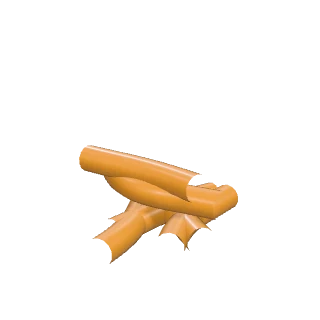 MealwormsOne or two mealworms, live or dried · Once a week at mostSmall amounts
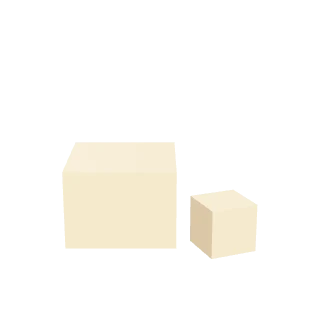 TofuA cube about 1 cm (⅜ in) across · Once or twice a weekSmall amounts
 CheeseNot recommended. At most a crumb smaller than a lentil of plain, mild cheese · Rarely, if at allBetter not
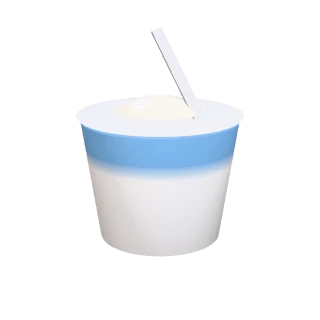 YogurtNot recommended. At most a fingertip dab of plain, unsweetened yogurt · Rarely, if at allBetter not