Hamster food guide
What can hamsters eat?
Pet hamsters do best on a complete pellet with a small daily portion of fresh food. Below, 68 common foods are rated for hamsters, with portions for Syrian hamsters and stricter notes for diabetes-prone dwarf species.
- 10Yes
- 37Small amounts
- 10Better not
- 11Never
Never feed your hamster

Diet basics
- Base the diet on a hamster pellet. Every piece is the same, so your hamster can’t pick out the sugary bits and leave the fibre, as it can with a muesli-style mix.
- Add a small daily portion of vegetables and herbs: about one or two teaspoons in total. Keep fruit to an occasional treat.
- Always provide clean, fresh water, ideally from a bottle with a metal spout.
- Scatter pellets around the enclosure or bury them in deep bedding, so your hamster can forage and dig as it would naturally.
- Hamsters hoard food in their nest. Remove uneaten fresh food every day so nothing spoils in the stash.
- Dwarf hamsters (Campbell’s, Winter White and their hybrids) are prone to diabetes, so keep sugary fruit and treats especially small.
- Occasional protein treats such as a little boiled egg or a few mealworms are fine.
- Feeding your hamster — PDSA
- Are Dwarf Hamsters Prone to Diabetes? Rodent Health Facts — ExoCare Veterinary Medical Centre (medically reviewed by Dr Asma Fariha)
Fruit
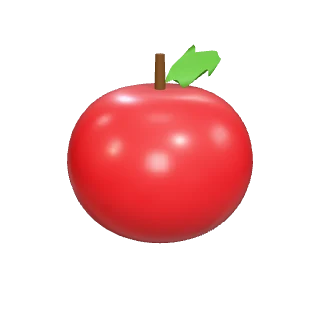 AppleA piece about 1 cm (⅜ in) across, no bigger than your hamster's ear, for a Syrian; about 5 mm (¼ in) for a dwarf. · Once a week (twice at most) for a Syrian; no more than once every two weeks for a dwarf.Small amounts
 BananaA piece about 1 cm (⅜ in) across, no bigger than your hamster's ear, for a Syrian; about 5 mm (¼ in) for a dwarf. · Once a week at most for a Syrian; once every two weeks at most for a dwarf.Small amounts
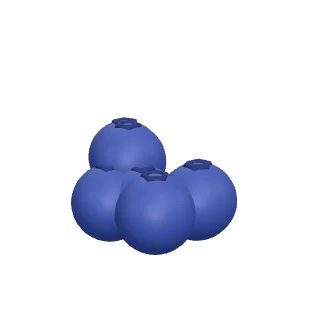 BlueberryHalf a blueberry for a Syrian; a quarter of a blueberry for a dwarf. · Once or twice a week for a Syrian; no more than once every two weeks for a dwarf.Small amounts
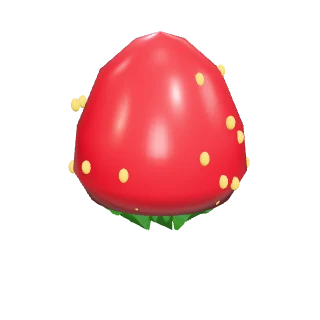 StrawberryA piece about 1 cm (⅜ in) across, no bigger than your hamster's ear, for a Syrian; about 5 mm (¼ in) for a dwarf. · Once a week (twice at most) for a Syrian; no more than once every two weeks for a dwarf.Small amounts
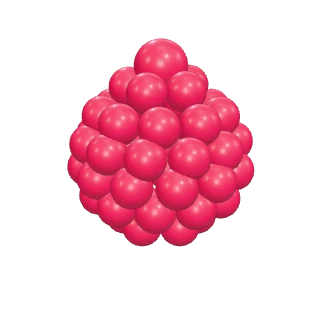 RaspberryOne or two of the little beads (drupelets), up to about a quarter of a berry, for a Syrian; one bead for a dwarf. · Once a week (twice at most) for a Syrian; no more than once every two weeks for a dwarf.Small amounts
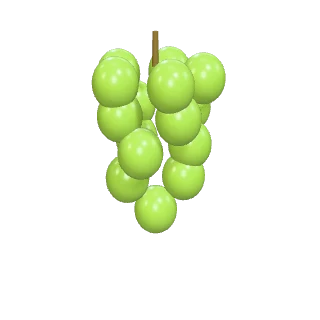 GrapeNever
 RaisinNever
 WatermelonA piece about 1 cm (⅜ in) across, no bigger than your hamster's ear, for a Syrian; about 5 mm (¼ in) for a dwarf. · Once a week (twice at most) for a Syrian; no more than once every two weeks for a dwarf.Small amounts
 Cantaloupe (melon)A piece about 1 cm (⅜ in) across, no bigger than your hamster's ear, for a Syrian; about 5 mm (¼ in) for a dwarf. · Once a week (twice at most) for a Syrian; no more than once every two weeks for a dwarf.Small amounts
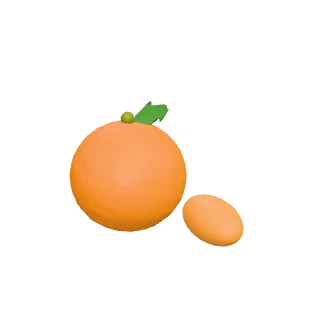 Orange (citrus)Better not
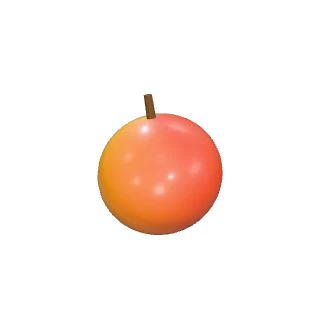 MangoA piece about 1 cm (⅜ in) across, no bigger than your hamster's ear, for a Syrian; about 5 mm (¼ in) for a dwarf. · Once a week at most for a Syrian; once every two weeks at most for a dwarf.Small amounts
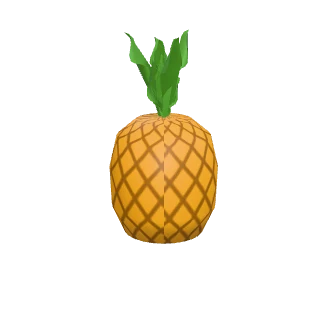 PineappleA piece about 5 mm-1 cm (¼-⅜ in) across for a Syrian; a 5 mm (¼ in) crumb for a dwarf. · Once a week at most; less often is better.Small amounts
 PearA piece about 1 cm (⅜ in) across, no bigger than your hamster's ear, for a Syrian; about 5 mm (¼ in) for a dwarf. · Once a week (twice at most) for a Syrian; no more than once every two weeks for a dwarf.Small amounts
 CherryA piece of flesh about 1 cm (⅜ in) across, roughly a quarter of a cherry, for a Syrian; about 5 mm (¼ in) for a dwarf. · Once a week at most for a Syrian; once every two weeks at most for a dwarf.Small amounts
 PeachA piece about 1 cm (⅜ in) across, no bigger than your hamster's ear, for a Syrian; about 5 mm (¼ in) for a dwarf. · Once a week (twice at most) for a Syrian; no more than once every two weeks for a dwarf.Small amounts
 KiwiA piece about 5 mm-1 cm (¼-⅜ in) across for a Syrian; about 5 mm (¼ in) for a dwarf. · Once a week at most.Small amounts
 AvocadoNever
 CoconutA thin shaving about 5 mm (¼ in) across for a Syrian; best skipped for dwarf species (see the dwarf note). · Once every one to two weeks at most.Small amounts
Vegetables
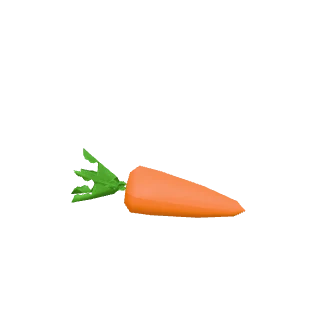 CarrotA thin slice or stick about 1 cm (⅜ in) long for a Syrian; about 5 mm (¼ in) for a dwarf. · Two or three times a week.Small amounts
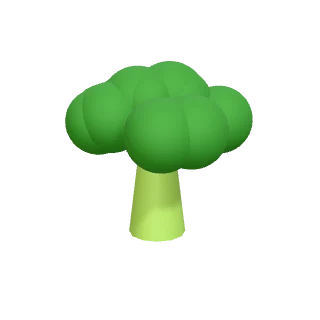 BroccoliA piece about 1–1.5 cm (⅜–⅝ in) across for a Syrian; about half that for a dwarf. Keep all fresh food together to about 1–2 teaspoons a day for a Syrian and about half that for a dwarf. · A few times a week, rotated with other vegetables.Yes
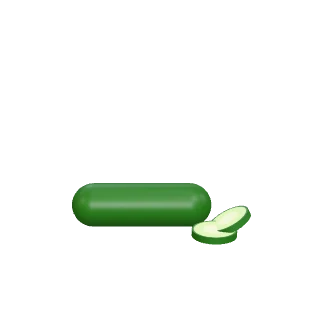 CucumberA piece about 1–1.5 cm (⅜–⅝ in) across for a Syrian; about half that for a dwarf. Keep all fresh food together to about 1–2 teaspoons a day for a Syrian and about half that for a dwarf. · A few times a week, rotated with other vegetables.Yes
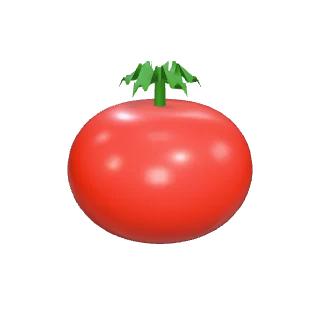 TomatoBetter not
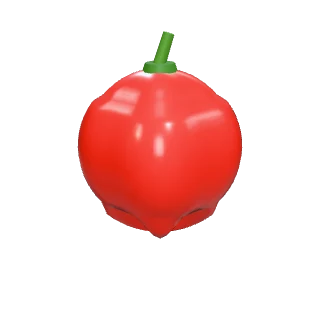 Bell pepperA piece about 1–1.5 cm (⅜–⅝ in) across for a Syrian; about half that for a dwarf. Keep all fresh food together to about 1–2 teaspoons a day for a Syrian and about half that for a dwarf. · A few times a week, rotated with other vegetables.Yes
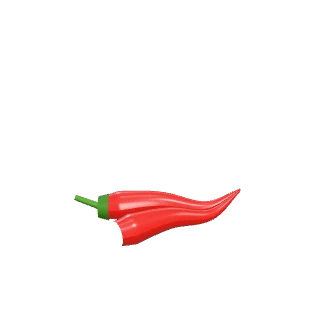 Chili pepperBetter not
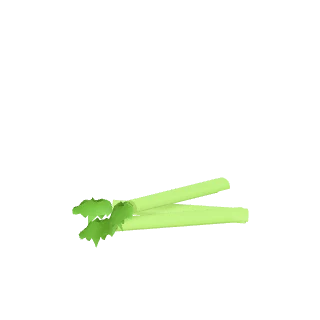 CeleryBetter not
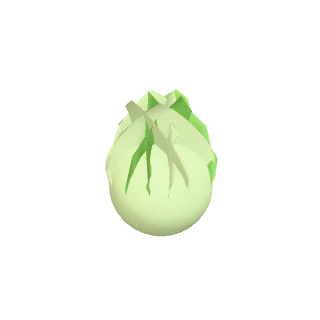 CabbageA piece about 1–1.5 cm (⅜–⅝ in) across for a Syrian; about half that for a dwarf. Keep all fresh food together to about 1–2 teaspoons a day for a Syrian and about half that for a dwarf. · A few times a week, rotated with other vegetables.Yes
 CauliflowerA piece about 1–1.5 cm (⅜–⅝ in) across for a Syrian; about half that for a dwarf. Keep all fresh food together to about 1–2 teaspoons a day for a Syrian and about half that for a dwarf. · A few times a week, rotated with other vegetables.Yes
 Zucchini (courgette)A piece about 1–1.5 cm (⅜–⅝ in) across for a Syrian; about half that for a dwarf. Keep all fresh food together to about 1–2 teaspoons a day for a Syrian and about half that for a dwarf. · A few times a week, rotated with other vegetables.Yes
 Sweet potatoA cube about 1 cm (⅜ in) for a Syrian; about 5 mm (¼ in) for a dwarf. · Once a week.Small amounts
 PotatoNever
 Pumpkin (flesh)A piece about 1–1.5 cm (⅜–⅝ in) across for a Syrian; about half that for a dwarf. Keep all fresh food together to about 1–2 teaspoons a day for a Syrian and about half that for a dwarf. · One to three times a week, rotated with other vegetables.Yes
 PeasOne or two peas for a Syrian; one pea, or half, for a dwarf. · Once or twice a week.Small amounts
 Corn (sweetcorn)Two or three kernels for a Syrian; one kernel for a dwarf. · Once or twice a week.Small amounts
 Green beansA piece about 1 cm (⅜ in) long for a Syrian; about 5 mm (¼ in) for a dwarf. · Once or twice a week.Small amounts
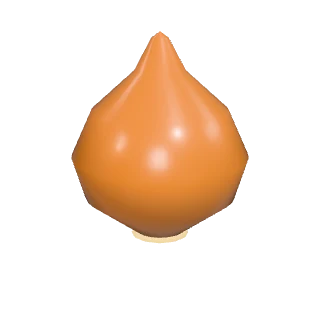 OnionNever
 GarlicNever
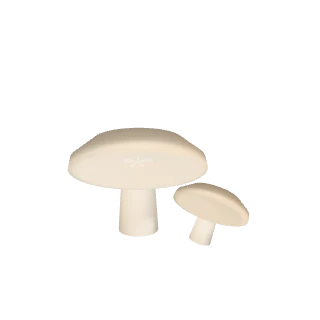 MushroomBetter not
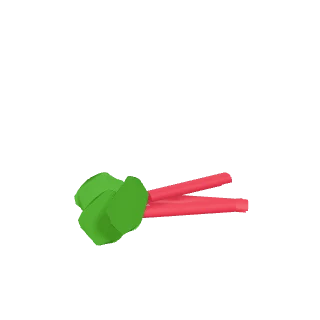 RhubarbNever
Greens & herbs
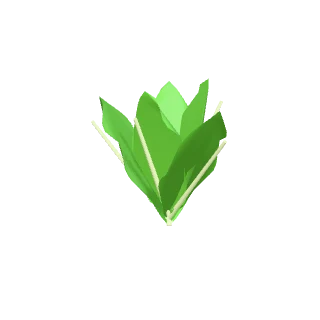 Romaine lettuceA piece of leaf about 2–3 cm (1 in) square for a Syrian; about half that for a dwarf. Count it within the 1–2 teaspoons of fresh food a day. · 2–4 times a week, rotating with other vegetablesYes
 Iceberg lettuceBetter not
 SpinachOne small leaf, about 2–3 cm (1 in) across, for a Syrian; about half that for a dwarf. · Once or twice a weekSmall amounts
 KaleA piece of leaf about 2 cm (¾ in) square for a Syrian; about half that for a dwarf. · 2–3 times a week, as part of a rotationYes
 Dandelion greensOne small leaf, about 3 cm (1¼ in) long, for a Syrian; half a small leaf for a dwarf. · 2–3 times a week, rotating with other greensYes
 ParsleyOne small sprig (2–3 leaves) for a Syrian; a single leaf for a dwarf. · Once or twice a weekSmall amounts
 Cilantro (coriander leaf)One small sprig (2–3 leaves) for a Syrian; a single leaf for a dwarf. · Once or twice a weekSmall amounts
Grains, seeds & nuts
 OatsAbout ½ teaspoon of plain rolled oats for a Syrian; a small pinch (a few flakes) for a dwarf. · 2–3 times a weekSmall amounts
 Rice (cooked, plain)3–5 grains of plain cooked rice for a Syrian; 1–2 grains for a dwarf. · Once a week at mostSmall amounts
 BreadA cube about 1 cm (⅜ in) across of plain wholemeal bread for a Syrian; a crumb about half that size for a dwarf. · Once a week at mostSmall amounts
 Pasta (cooked, plain)One or two small pieces of plain cooked pasta, about 1 cm (⅜ in), for a Syrian; one tiny piece for a dwarf. · Once a weekSmall amounts
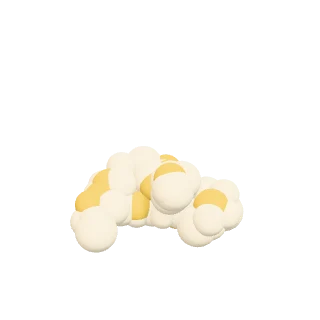 PopcornOne or two plain popped pieces for a Syrian; one small piece for a dwarf. · Once a week at mostSmall amounts
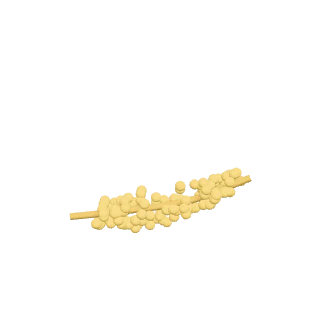 MilletA small pinch of loose millet, or a 1–2 cm (½–¾ in) piece of millet spray, for a Syrian; about half that for a dwarf. · 1–2 times a weekSmall amounts
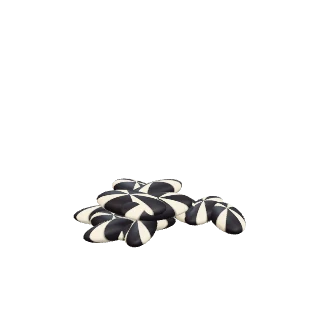 Sunflower seeds1–2 seeds for a Syrian; 1 seed for a dwarf. · 2–3 times a week at mostSmall amounts
 Pumpkin seeds1 seed for a Syrian; half a shelled (green) seed for a dwarf. · Once or twice a weekSmall amounts
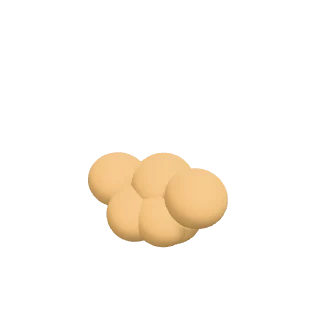 PeanutsHalf a shelled peanut for a Syrian; a crumb-sized piece for a dwarf. · Once a weekSmall amounts
 AlmondsBetter not
 WalnutsA piece about the size of a pea for a Syrian; a crumb for a dwarf. · Once a week at mostSmall amounts
 CashewsA quarter to half of one cashew for a Syrian; a crumb for a dwarf. · Once a week at mostSmall amounts
Protein & dairy
 Egg (hard-boiled)A piece of hard-boiled egg about the size of your hamster's ear, roughly 1 cm (⅜ in), for a Syrian; about half that for a dwarf. · Once or twice a weekSmall amounts
 Chicken (cooked, plain)A shred about 1 cm (⅜ in) long for a Syrian; about half that for a dwarf. · Once or twice a weekSmall amounts
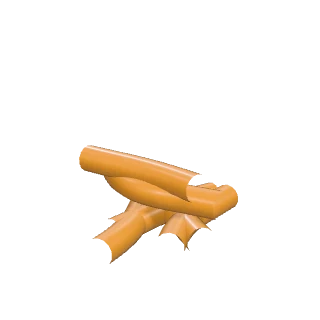 Mealworms1–2 dried mealworms for a Syrian; 1 for a dwarf. · 2–3 times a weekSmall amounts
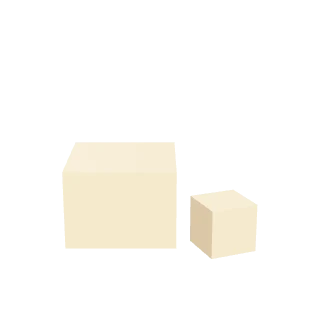 TofuA 1 cm (⅜ in) cube for a Syrian; about half that for a dwarf. · Once or twice a weekSmall amounts
 CheeseBetter not
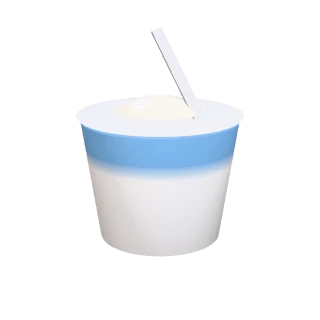 YogurtBetter not