
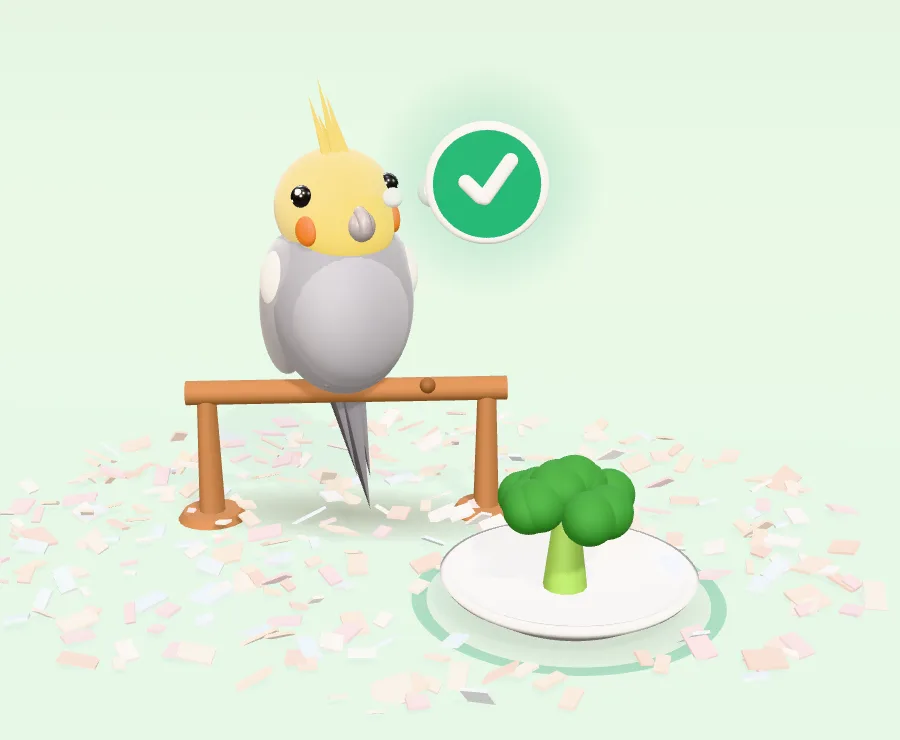
Cockatiel food guide
What can cockatiels eat?
Cockatiels thrive on pellets and fresh vegetables, and do poorly on seed alone. Below, 68 common foods are rated for cockatiels, with portions sized for a small parrot.
- 15Yes
- 37Small amounts
- 7Better not
- 9Never
Never feed your cockatiel




Diet basics
- Make pellets the main food. Veterinary guidance suggests about 75–80% of a cockatiel’s diet.
- Seed-only diets can lead to ill health and a shorter life. The RSPCA suggests seed should be no more than about a tenth of the diet for small parrots.
- Fruits, vegetables and greens should make up no more than about 20–25% of the daily diet.
- Cockatiels are vulnerable to vitamin A deficiency and low dietary calcium, so dark leafy greens and orange vegetables are especially useful.
- Fresh, clean water must be available at all times.
- Human food should be plain and small: about a teaspoon for a cockatiel is like a dinner plate for a person.
- Feeding Pet Cockatiels — VCA Animal Hospitals
- Fruits and Vegetables in Birds' Diets — VCA Animal Hospitals
- What to Feed Your Pet Bird — RSPCA
Fruit
 AppleTwo or three pieces about 1.5 cm (⅝ in) across · 2–3 times a weekSmall amounts
 BananaA slice about 1 cm (⅜ in) thick, cut into small pieces · Once or twice a weekSmall amounts
 BlueberryTwo or three blueberries, halved · 2–3 times a weekSmall amounts
 StrawberryHalf a small strawberry, cut into pieces about 1.5 cm (⅝ in) across · 2–3 times a weekSmall amounts
 RaspberryOne raspberry, torn into pieces · 2–3 times a weekSmall amounts
 GrapeHalf a seedless grape, cut into pieces · Once or twice a weekSmall amounts
 RaisinNot recommended; use a small piece of fresh fruit insteadBetter not
 WatermelonTwo or three cubes about 1.5 cm (⅝ in) across · Once or twice a weekSmall amounts
 Cantaloupe (melon)Two or three cubes about 1.5 cm (⅝ in) across · 2–3 times a weekSmall amounts
 Orange (citrus)Half a segment, cut into pieces · Once or twice a weekSmall amounts
 MangoTwo or three pieces about 1.5 cm (⅝ in) across · Once or twice a weekSmall amounts
 PineappleTwo or three pieces about 1.5 cm (⅝ in) across · Once or twice a weekSmall amounts
 PearTwo or three pieces about 1.5 cm (⅝ in) across · 2–3 times a weekSmall amounts
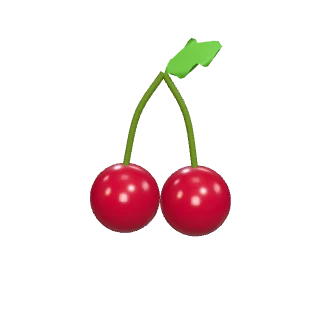 CherryHalf a pitted cherry, cut into pieces · Once or twice a weekSmall amounts
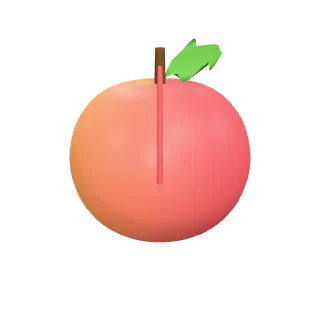 PeachTwo or three pieces about 1.5 cm (⅝ in) across · Once or twice a weekSmall amounts
 KiwiTwo or three pieces about 1.5 cm (⅝ in) across · Once or twice a weekSmall amounts
 AvocadoNever
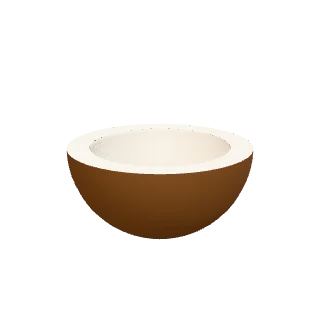 CoconutA sliver about 1 cm (⅜ in) across · Once a week at mostSmall amounts
Vegetables
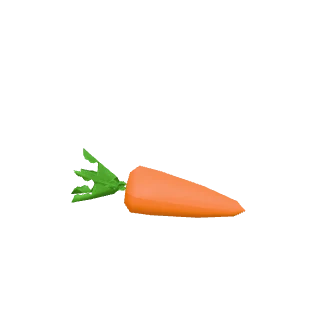 CarrotAbout a tablespoon (15 ml) of grated or diced carrot as part of the day's vegetables · Daily or most days, rotated with other vegetablesYes
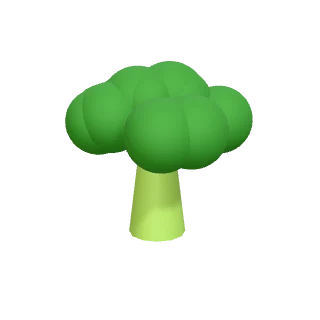 BroccoliAbout a tablespoon (15 ml) of chopped florets and leaves as part of the day's vegetables · Several times a week, rotated with other vegetablesYes
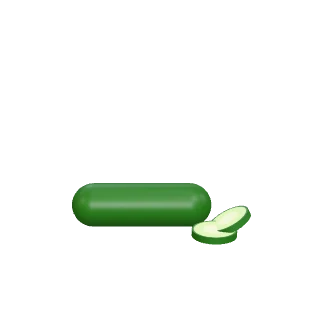 CucumberTwo or three thin slices, or about a tablespoon (15 ml) of cubes · A few times a weekYes
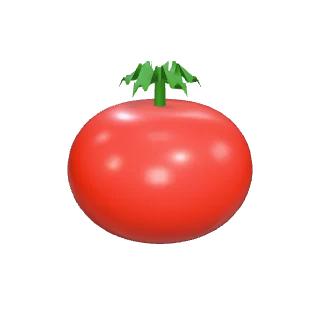 TomatoOne or two pieces of ripe tomato about 1.5 cm (⅝ in) across · Once or twice a week at mostSmall amounts
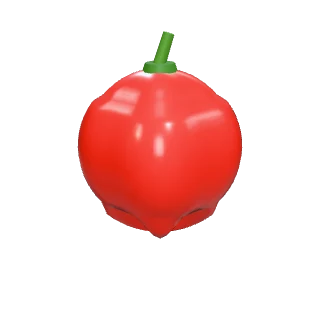 Bell pepperAbout a tablespoon (15 ml) of strips or pieces as part of the day's vegetables · Daily or most days, rotated with other vegetablesYes
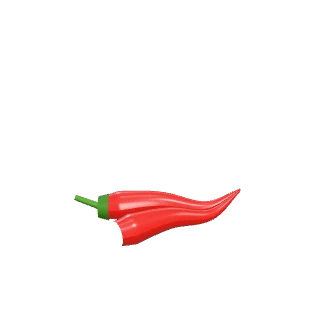 Chili pepperOne or two small pieces about 1 cm (⅜ in) across · Once or twice a weekSmall amounts
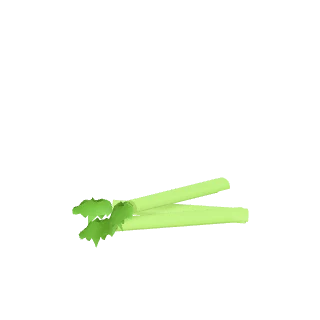 CeleryA few pieces about 1 cm (⅜ in) long, or about 2 teaspoons of chopped leaves · Once or twice a weekSmall amounts
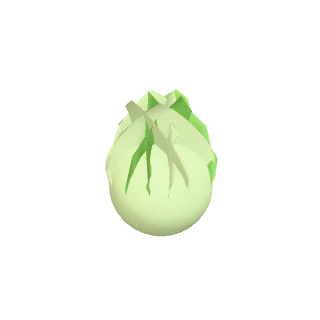 CabbageAbout a tablespoon (15 ml) of finely shredded leaf as part of the day's vegetables · A few times a week, rotated with other vegetablesYes
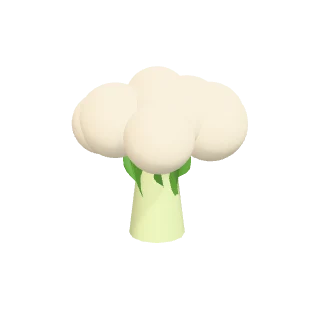 CauliflowerA few small florets, about a tablespoon (15 ml) chopped · A few times a week, rotated with other vegetablesYes
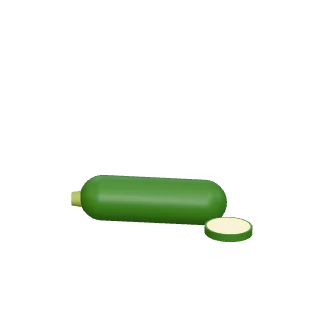 Zucchini (courgette)About a tablespoon (15 ml) grated, sliced or cubed · Daily or most days, rotated with other vegetablesYes
 Sweet potatoAbout a tablespoon (15 ml) of mashed or diced cooked sweet potato · 2–3 times a week, rotated with other vegetablesYes
 PotatoOne or two pieces of plain cooked potato about 1.5 cm (⅝ in) across · Once a week at mostSmall amounts
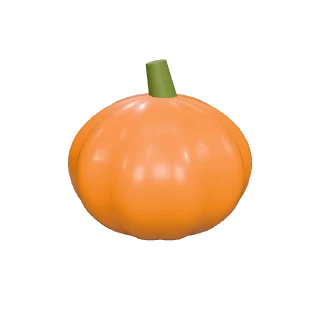 Pumpkin (flesh)About a tablespoon (15 ml) of diced raw or mashed cooked pumpkin · A few times a week, rotated with other vegetablesYes
 PeasAbout a tablespoon (15 ml) of peas, or one or two pods · A few times a weekYes
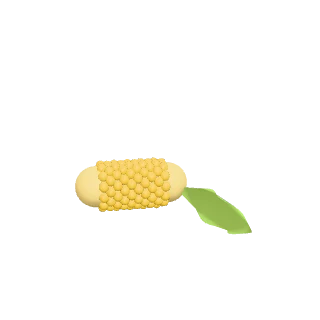 Corn (sweetcorn)A round of cob about 2 cm (¾ in) thick, or about a tablespoon (15 ml) of kernels · Once or twice a weekSmall amounts
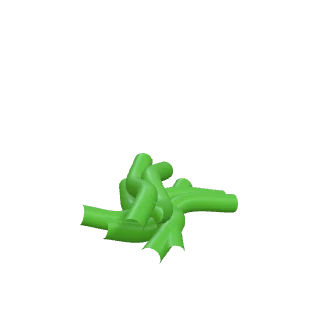 Green beansAbout a tablespoon (15 ml) of chopped beans · A few times a weekYes
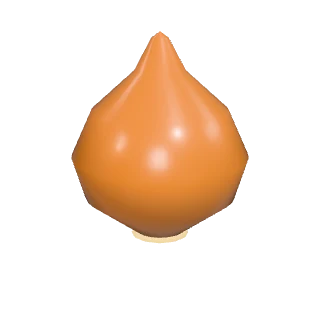 OnionNever
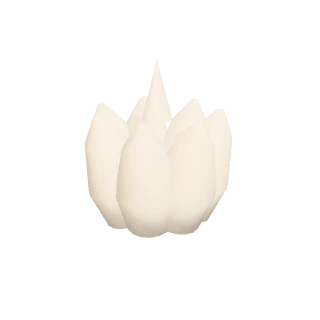 GarlicNever
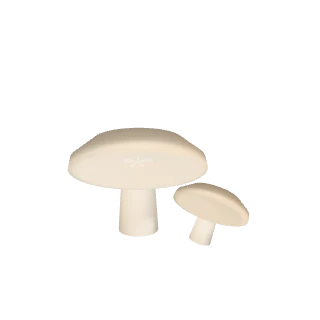 MushroomBetter not
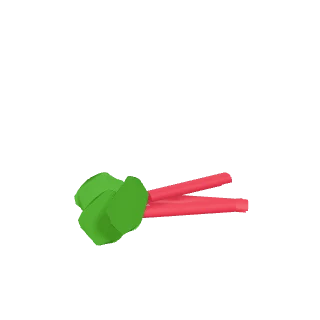 RhubarbNever
Greens & herbs
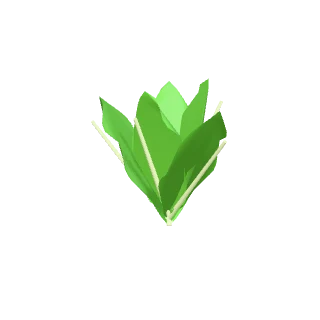 Romaine lettuceA leaf piece about 8 cm (3 in) square, or 2–3 teaspoons chopped, as part of the day's fresh food · Daily or most days, alongside other vegetablesYes
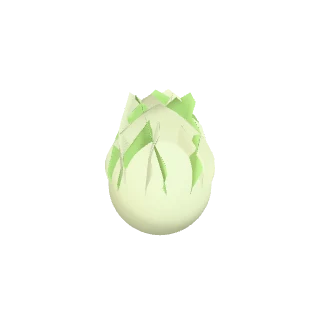 Iceberg lettuceNot recommended. If you offer any, keep it to a torn piece about 3 cm (1 in) across · Rarely, if at allBetter not
 SpinachOne or two leaves, or about 2 teaspoons chopped · Once or twice a week, mixed with other greensSmall amounts
 KaleA leaf piece about 8 cm (3 in) square, or about 2 teaspoons chopped · Several times a week, alongside other vegetablesYes
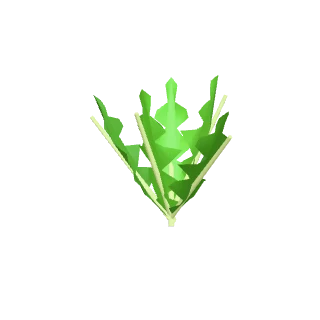 Dandelion greensTwo or three leaves, or about 2 teaspoons chopped · Several times a weekYes
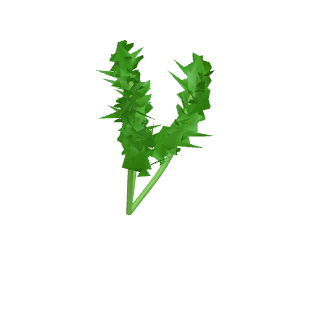 ParsleyOne or two sprigs · Two or three times a weekSmall amounts
 Cilantro (coriander leaf)One or two sprigs, or about 2 teaspoons chopped · Several times a week, as part of mixed greensYes
Grains, seeds & nuts
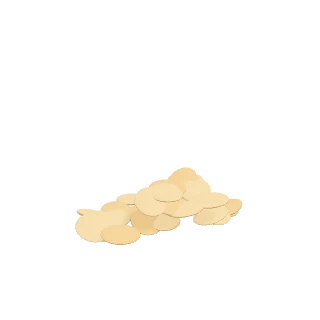 OatsAbout 1 teaspoon of plain rolled oats or cooked plain oatmeal · Once or twice a weekSmall amounts
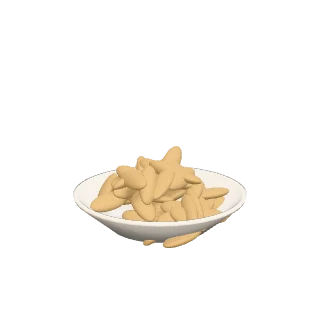 Rice (cooked, plain)About 1 teaspoon of cooked rice · Once or twice a weekSmall amounts
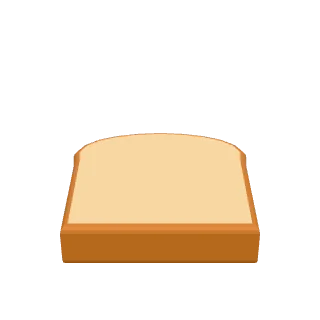 BreadA piece about 2 cm (3/4 in) square of plain wholegrain bread or toast · Once a week or lessSmall amounts
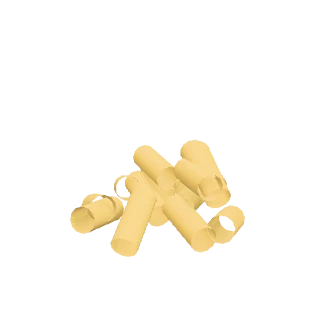 Pasta (cooked, plain)Two or three small pieces, about 1 teaspoon · Once or twice a weekSmall amounts
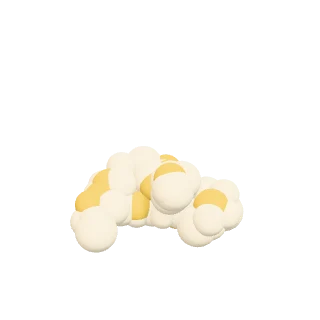 PopcornNot recommended. If offered at all, one or two plain, fully popped pieces with no salt, butter or oil · Rarely, if at allBetter not
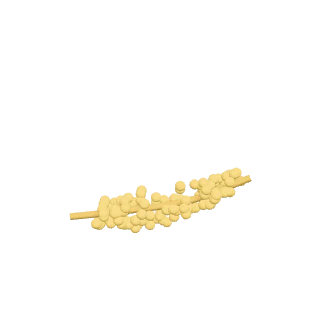 MilletAbout 3–5 cm (1–2 in) of spray millet, or a small pinch (about 1/2 teaspoon) of loose millet · Spray millet a few times a month as a treat; loose millet can be part of a small daily seed portion of no more than about a tenth of the dietSmall amounts
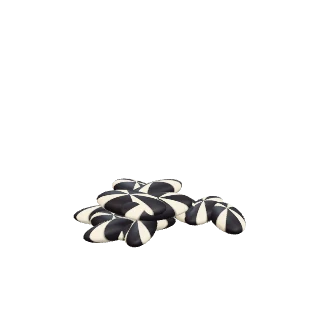 Sunflower seedsTwo to four seeds · A few times a week, used as training rewardsSmall amounts
 Pumpkin seedsOne or two seeds · Once or twice a weekSmall amounts
 PeanutsNot recommended. If given at all, a small piece of fresh, plain, human-grade peanut · Rarely, if at allBetter not
 AlmondsA sliver about a quarter of one almond · Once or twice a weekSmall amounts
 WalnutsA piece about the size of a pea · Once or twice a weekSmall amounts
 CashewsA piece about a quarter of one cashew · Once a weekSmall amounts
Protein & dairy
 Egg (hard-boiled)About 1 teaspoon of chopped hard-boiled egg · Once or twice a week; your avian vet may suggest more for breeding or moulting birdsSmall amounts
 Chicken (cooked, plain)A few small shreds, no more than about 1 teaspoon in total · Once a week at mostSmall amounts
 MealwormsTwo or three mealworms, live or dried · Once a week at mostSmall amounts
 TofuA cube about 1.5 cm (1/2 to 3/4 in) across · Once or twice a weekSmall amounts
 CheeseNot recommended. At most a crumb about the size of a lentil of plain, mild cheese · Rarely, if at allBetter not
 YogurtNot recommended. At most a small dab (about 1/4 teaspoon) of plain, unsweetened yogurt · Rarely, if at allBetter not